


Some error occured while loading the Quick View. Please close the Quick View and try reloading the page.
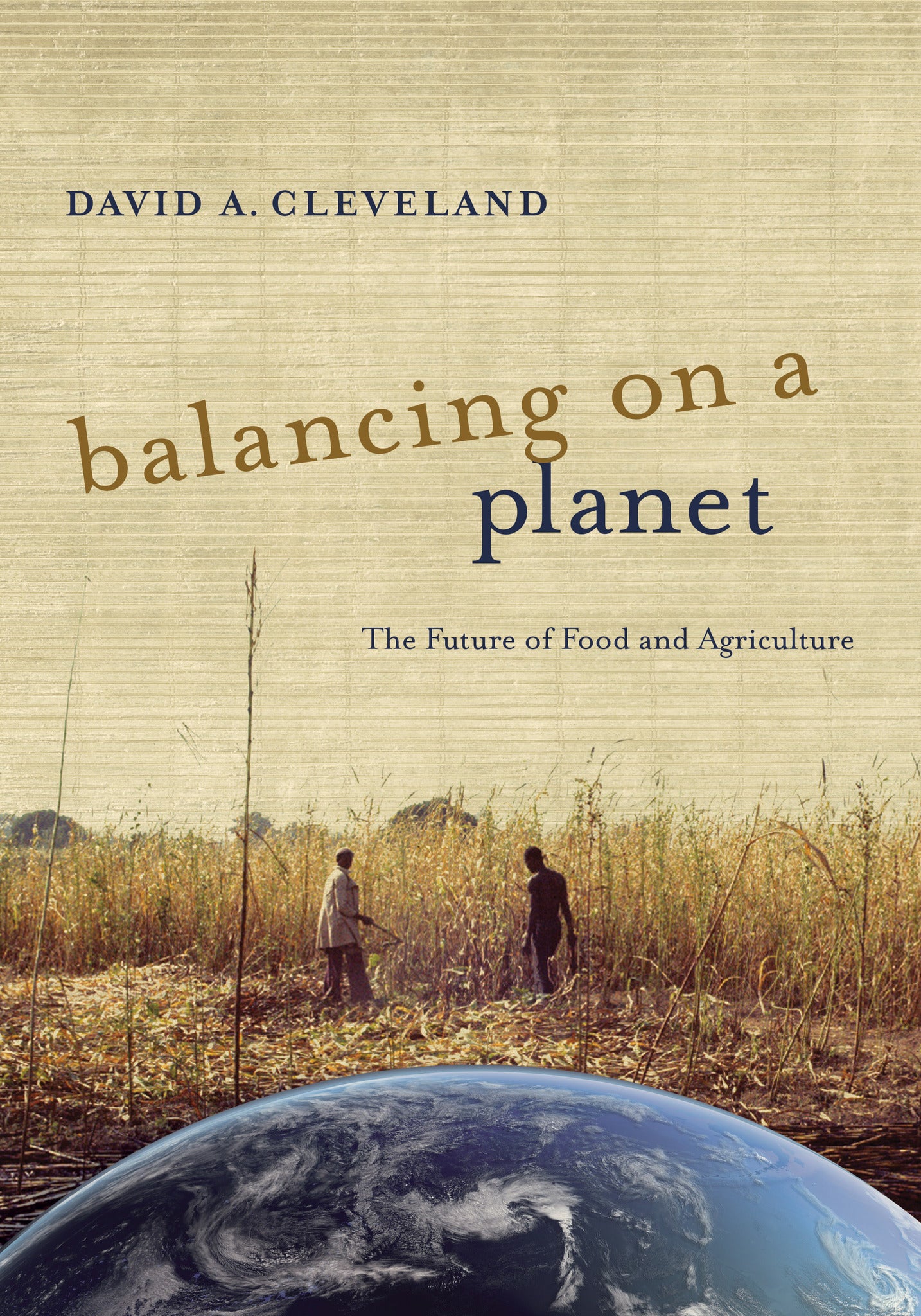
This book is an interdisciplinary primer on critical thinking and effective action for the future of our global agrifood system, based on an understanding of the system’s biological and sociocultural roots. Key components of the book are a thorough analysis of the assumptions underlying different perspectives on problems related to food and agriculture around the world and a discussion of alternative solutions. David Cleveland argues that combining selected aspects of small-scale traditional agriculture with modern scientific agriculture can help balance our biological need for food with its environmental impact—and continue to fulfill cultural, social, and psychological needs related to food.
Balancing on a Planet is based on Cleveland’s research and engaging teaching about food and agriculture for more than three decades. It is a tool to help students, faculty, researchers, and interested readers understand debates about the current crisis and alternatives for the future.
Balancing on a Planet is based on Cleveland’s research and engaging teaching about food and agriculture for more than three decades. It is a tool to help students, faculty, researchers, and interested readers understand debates about the current crisis and alternatives for the future.

Price: $34.95
Pages: 352
Publisher: University of California Press
Imprint: University of California Press
Series: California Studies in Food and Culture
Publication Date:
20 December 2013
Trim Size: 10.00 X 7.00 in
ISBN: 9780520277427
Format: Paperback
BISACs:
"Cleveland’s new book is essential reading for all who are interested in change, since understanding how we got into this mess is important for identifying ways to get out of it."
David A. Cleveland is Professor of Environmental Studies at the University of California, Santa Barbara. He is a human ecologist whose research and teaching are on small-scale, sustainable agriculture. He has worked with farmers around the world, including in Ghana, Mexico, Zuni, Hopi, Pakistan, and the United States. He is currently researching the potential benefits of agrifood system localization on climate change, nutrition, and food sovereignty.
List of Illustrations
List of Tables
Preface: A Personal History
Acknowledgments
Introduction
PART I
Agrifood Systems History and Future
1. Eating Stardust: Population, Food, and Agriculture on Planet Earth
2. Agricultural Revolutions
3. Thinking Critically about Sustainable Agrifood Systems
4. Sustainable Agrifood Systems: Three Emphases
PART II
Moving toward Sustainable Agrifood Systems: A Balancing Act
5. Managing Evolution: Plant Breeding and Biotechnology
6. Managing Agricultural Ecosystems: The Critical Role of Diversity
7. Managing People: The Common Property Option
8. The Big Solutions: Climate Change, Resource Cycles, and Diet
9. The Big Solutions: Localizing Agrifood Systems
Appendix 1. Acronyms, Abbreviations, and Symbols
Appendix 2. Metric Units and Metric-English Unit Conversions
Notes
References
Index
List of Tables
Preface: A Personal History
Acknowledgments
Introduction
PART I
Agrifood Systems History and Future
1. Eating Stardust: Population, Food, and Agriculture on Planet Earth
2. Agricultural Revolutions
3. Thinking Critically about Sustainable Agrifood Systems
4. Sustainable Agrifood Systems: Three Emphases
PART II
Moving toward Sustainable Agrifood Systems: A Balancing Act
5. Managing Evolution: Plant Breeding and Biotechnology
6. Managing Agricultural Ecosystems: The Critical Role of Diversity
7. Managing People: The Common Property Option
8. The Big Solutions: Climate Change, Resource Cycles, and Diet
9. The Big Solutions: Localizing Agrifood Systems
Appendix 1. Acronyms, Abbreviations, and Symbols
Appendix 2. Metric Units and Metric-English Unit Conversions
Notes
References
Index